Permits, 9 min read
Roof work in a Boston historic district: permits, reviews and timelines
Which roof projects need commission review in Beacon Hill, Back Bay, the South End and nearby towns, and how to avoid months of delay.
By Nora Aherne-Castillo, Preservation coordinator
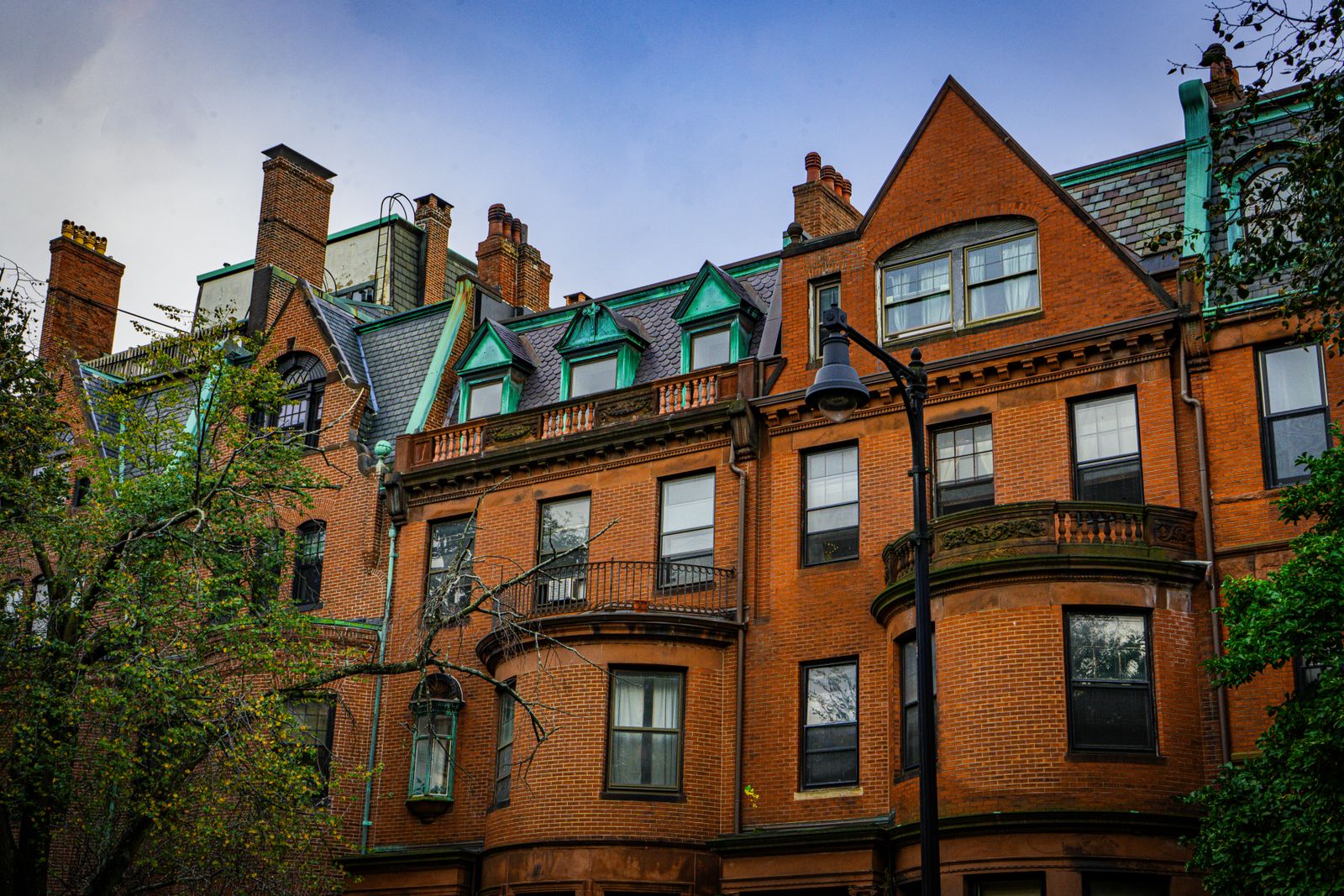
If your house is in one of Boston's architectural districts, your roof is partly a public asset. That does not mean you cannot repair or replace it, but it does mean a commission may need to review the work before a building permit is issued. Knowing the process up front can save you a season.
This article is general guidance based on our experience, not legal advice. Commission rules change, so always confirm with the commission staff for your property.
Which districts are we talking about?
In Boston, local architectural districts with their own commissions include:
- Beacon Hill Architectural District
- Back Bay Architectural District
- South End Landmark District
- Bay Village Historic District
- St. Botolph Architectural Conservation District
What usually needs review
The key phrase is visible from a public way. Most commissions review exterior changes that can be seen from a street, park or public alley. For roofs, that typically includes front slopes, mansards, dormers, bay roofs, cornices, gutters and chimneys. Rear roofs that cannot be seen from any public vantage point often need less review, but not always.
Changes in material are the biggest trigger. Replacing slate with asphalt shingles, copper with aluminum, or adding a roof deck, skylight or solar panels visible from the street will almost certainly need a hearing.
Like-for-like repair is the fast lane
Most commissions allow staff to approve ordinary maintenance and in-kind repair administratively, without a public hearing. Re-laying slate, replacing broken slates with matching slate, and replacing copper flashing with copper usually fall into this category.
This is one of the strongest arguments for restoration on a historic house. A slate restoration can often be approved in one to three weeks. A proposal to change materials can take two or three months, including a hearing, possible design revisions and a second hearing.
Match the material, match the profile, document everything. Those three habits get roof applications approved.
What a good application includes
Commission staff are busy. Applications that answer their questions up front move faster. For roof work we typically include:
- Photos of the building from the street and close-ups of the existing roof details
- A marked roof plan showing the work areas
- Material specifications, such as slate origin, size and color, or copper weight
- Physical samples or photos of replacement slate next to the existing slate
- Drawings for any new flashing, gutter or cornice profiles
- A short written scope describing the work in plain language
Timelines to plan around
For administrative approvals, plan on one to three weeks from a complete application. For hearings, commissions generally meet monthly and have filing deadlines two to four weeks ahead of the meeting. A project that needs a hearing can easily take 6 to 10 weeks from application to certificate, before the building permit.
Then there is the street. Staging in narrow Beacon Hill and South End streets usually needs a street occupancy permit from the city, which has its own lead time. We build these steps into every schedule we give clients in historic districts.
Outside Boston
Cambridge, Brookline and Newton each have local historic districts or neighborhood conservation districts with their own rules. Cambridge's neighborhood conservation districts are often more flexible than full historic districts but still review visible changes. Brookline's Preservation Commission covers several local districts, including Pill Hill and Cottage Farm. Milton and many other towns have demolition delay bylaws that can apply to major roof changes.
How we help
Our preservation coordinator prepares applications, attends hearings when needed, and assembles slate and copper samples for staff review. We know many commission staff by first name, not because we get special treatment, but because we have filed a lot of applications and we file them complete.
If you are planning roof work in a district, book a free inspection and ask for a permit review. We will tell you what approvals are likely needed and how long they typically take.
This article is general information for homeowners and is not legal, insurance or engineering advice. Figures are illustrative for this demo site.