Slate, 8 min read
Repair or replace? How we judge a 100-year-old slate roof
Most slate roofs that leak are not worn out. Here is the survey method our slaters use to decide between restoration and replacement.
By Walter Kowalczyk, Master slater
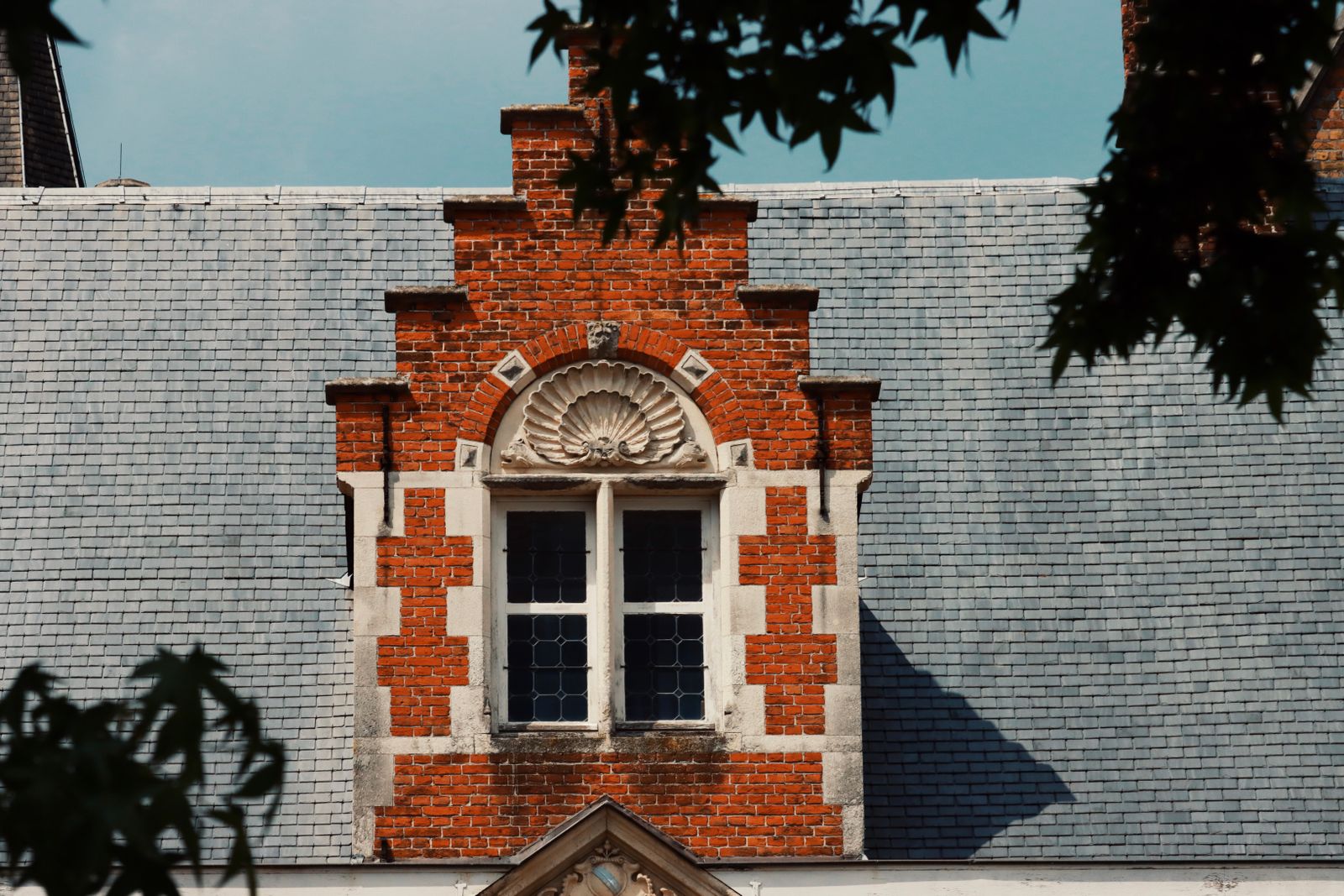
Every month someone calls us with the same story. A slate roof on a house built before 1920 has started leaking, another contractor has looked at it from the driveway, and the recommendation is a full tear-off. Sometimes that is the right answer. Far more often, the slate itself has decades of life left and what has failed is everything holding it in place.
Here is how we decide, roughly in the order we check things on the roof.
Start with the stone, not the leak
The first question is whether the slate is hard or soft. Most Boston roofs use Vermont or Pennsylvania slate, and the quality varies a lot by quarry. Hard slate from the better Vermont and Buckingham quarries can last well past 125 years. Softer Pennsylvania slate often shows its age at 70 to 90 years.
We sound individual slates by tapping them with a slate hammer. A sound slate rings. A slate that thuds, flakes at the edges, or shows white powdery bloom on its underside is delaminating. We check a sample on every slope, because the south and west faces age faster than the north.
- Clear ring when tapped, edges crisp: sound slate, keep it
- Dull sound, light surface flaking: aging, usually still serviceable
- Layers separating, soft edges, crumbles when handled: replace
Count, do not guess
Instead of calling a roof good or bad, we count. On a restoration survey we mark a roof plan with broken, missing, slipped and delaminating slates on each slope. If fewer than about 20 percent of slates need replacing, restoration nearly always wins on cost and on keeping the building original.
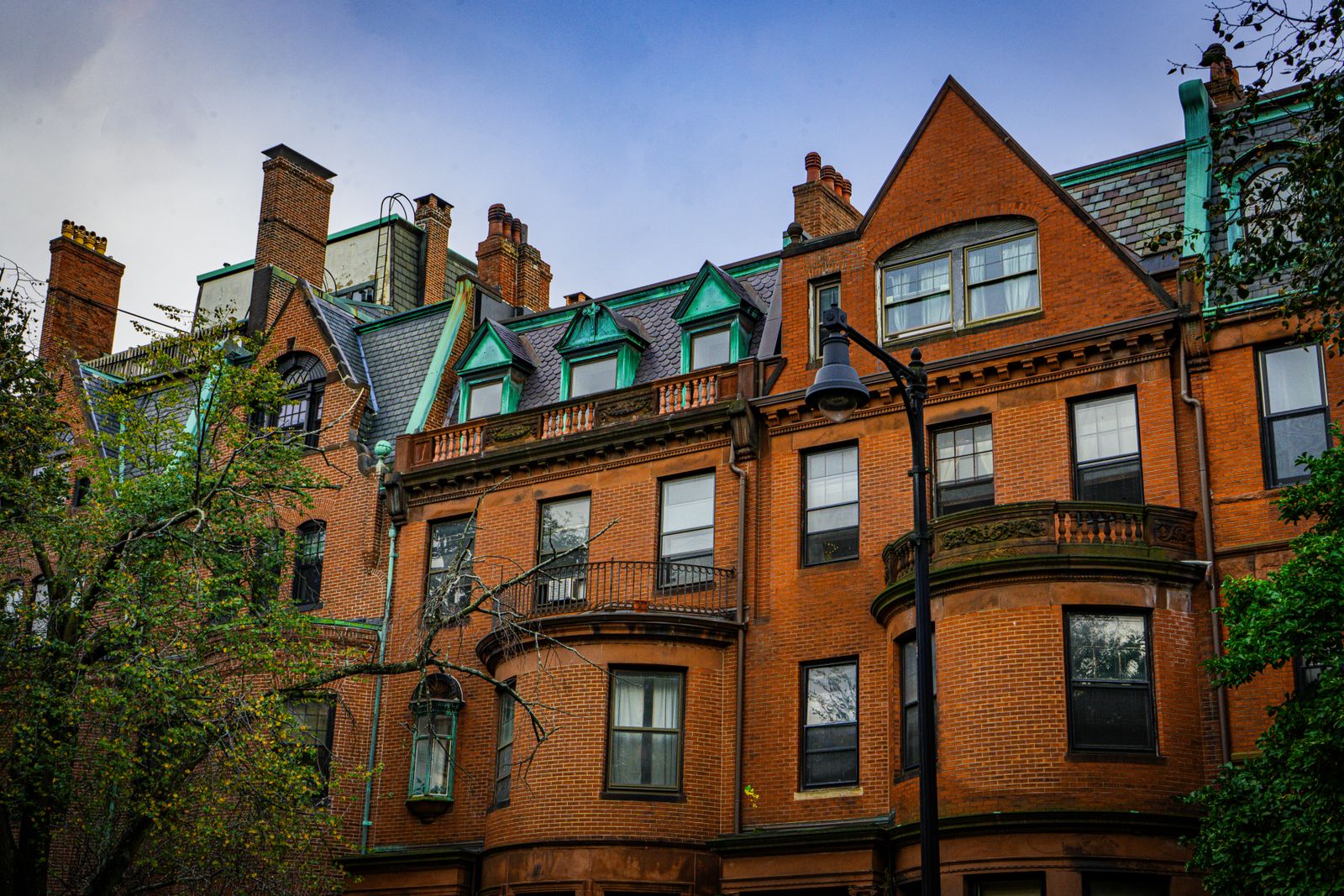
On the Louisburg Square mansard we restored last year, the count came to 2,140 sound slates out of roughly 2,650. That 81 percent salvage rate turned a proposed six-figure replacement into a restoration that cost a little under half as much.
Look at what holds the slate
The real culprit on old slate roofs is usually the nails. Many were iron or early galvanized nails, which rust through in 60 to 80 years. When the nail head fails, the slate slides down and a line of daylight opens above it. From the ground this looks like random missing slates, and it can look alarming.
The underlayment is the second suspect. Old tar paper eventually turns brittle. On its own that does not cause leaks, because a properly lapped slate roof sheds water without it, but it removes the safety net when a slate cracks.
Flashing is the third. Valleys, chimney flashing and dormer cheeks were often tin or thin copper, and these wear out long before the stone. A surprising number of leaks we trace on slate roofs come from a single worn valley.
When replacement is the honest answer
Restoration is not always right. We recommend replacement when more than about a third of the slate is soft or delaminating, when the roof has been heavily patched with roofing cement that has damaged the stone, or when the deck underneath is rotted across large areas.
Even then, we salvage what we can. Sound slates from a replacement go into our yard, sorted by size, color and thickness, and they end up restoring someone else's roof in Cambridge or Brookline.
A roof that rings when you tap it is not asking to be replaced. It is asking for new nails and better flashing.
What a restoration actually involves
A proper restoration strips the roof in sections, renews the underlayment, and re-lays the salvaged slates with copper nails, adding matched reclaimed slates where needed. Valleys and chimneys are re-flashed in 16 or 20 ounce copper. On mansards and turrets, we often use copper slate hooks for individual repairs so we do not disturb sound slates above.
Done this way, a restored slate roof can go another 50 years or more with only light maintenance: a look every two or three years and after big storms, and prompt replacement of the occasional broken slate.
Questions to ask any contractor
If you are getting opinions on an old slate roof, these questions will quickly show who knows slate:
- How many slates on my roof are sound, and how did you check?
- What kind of nails and hooks will you use?
- Where will replacement slate come from, and can I see a sample?
- What will you do with the flashing at valleys and chimneys?
- Will your crew walk on the slate, and how will you avoid breaking it?
Our free inspection includes a slate survey with photos and a salvage estimate. If your roof can be restored, we will tell you, and if it cannot, we will show you exactly why.
This article is general information for homeowners and is not legal, insurance or engineering advice. Figures are illustrative for this demo site.