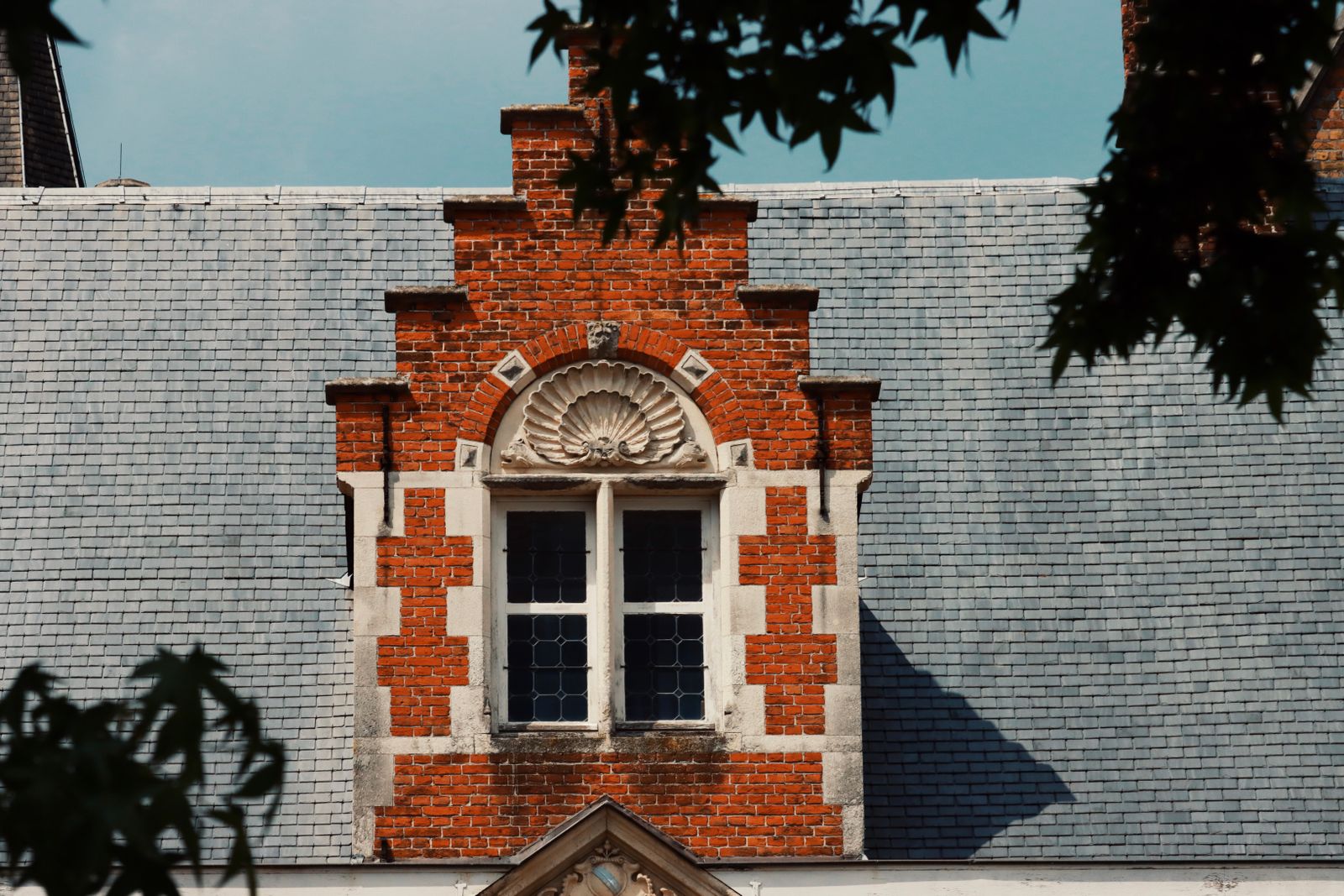
Winter, 7 min read
Ice dams on New England roofs: causes, damage and lasting fixes
Heat cables and roof rakes treat symptoms. Here is what actually causes ice dams on older Boston homes and how to stop them for good.
By Brendan Doyle, Storm crew lead
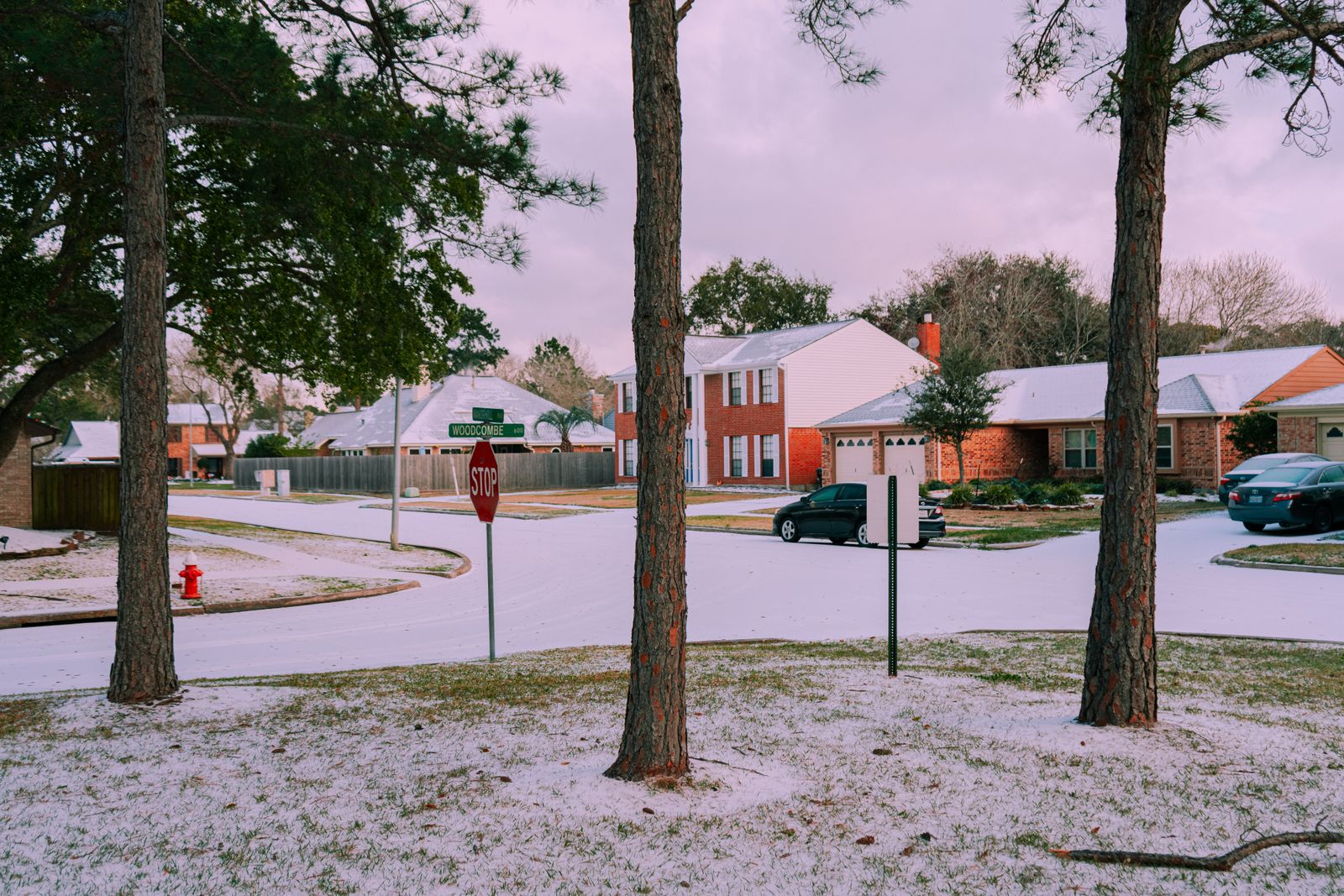
Every February our phones fill with the same call: water dripping from a window header, a brown stain spreading across a bedroom ceiling, and a row of icicles hanging from the gutters outside. Ice dams are the most common winter roof problem in Greater Boston, and they are almost always preventable.
How an ice dam forms
An ice dam starts with heat. Warm air from the house leaks into the attic and warms the underside of the roof deck. Snow on the upper roof melts, even when it is well below freezing outside. The meltwater runs down to the eaves, which hang out past the heated walls and stay cold. There it refreezes into a ridge of ice.
As the ridge grows, the next batch of meltwater pools behind it. Shingles and slate are designed to shed water running downhill, not to hold back a pond. The water backs up under the roofing and into the house.
Signs you have an ice dam problem
- Thick ice along the eaves and large icicles, especially on the north side
- Water stains on ceilings near exterior walls or around window headers
- Peeling paint or wet insulation in the attic along the eaves
- Bare patches of roof above heated rooms while the rest is snow covered
- Gutters pulling away from the fascia under ice weight
Short-term fixes
When water is actively coming in, the goal is to create a channel for it to drain. A roof rake used from the ground can remove the first few feet of snow above the eave. Calcium chloride in a stocking laid across the dam can melt a drainage path. Avoid chipping ice with hammers or shovels, which cracks shingles and slate and tears gutters.
Our storm crew uses low-pressure steam to open channels without damaging the roof. It is a temporary fix, but it stops the leak while you plan the permanent one.
The lasting fix: keep the roof cold
Heat cables and constant raking treat the symptom. The cure is keeping the roof deck cold, so snow melts only from the sun and outside air, evenly across the roof. That takes three things working together.
- Air sealing: close gaps at top plates, light fixtures, chimneys, plumbing stacks and attic hatches
- Insulation: bring the attic floor up to current levels once air leaks are sealed
- Ventilation: balanced soffit intake and ridge exhaust to flush any remaining heat
Why capes and older homes struggle
Cape Cod style houses with finished upper floors are the most common ice dam victims we see in Newton, Needham and West Roxbury. The sloped ceilings leave very little room for insulation and ventilation, and knee wall attics are full of air leaks. These houses often need a combination of air sealing from inside, dense-pack insulation in the sloped ceilings, and new ventilation paths.
Victorian and colonial houses have their own issues: bath fans venting into the attic, uninsulated chimney chases and built-in gutters that keep eaves wet.
Icicles are not a winter decoration. They are heat you paid for, leaving through your roof.
What the roof itself should include
Even with a cold roof, New England roofs need a second line of defense. On every replacement we install ice and water shield membrane along the eaves, extending at least 24 inches inside the heated wall line, plus in valleys and around chimneys and skylights. Massachusetts building code requires it at eaves, and we extend it further on low slopes and problem areas.
Gutters matter too. Oversized gutters with close hanger spacing survive ice loads, and guards keep them clear so meltwater can drain on warmer days.
If you had ice dams last winter, the best time to fix the cause is before the next snow. Our inspection includes an attic check for air leaks, insulation depth and ventilation. Ask about Mass Save incentives, which may cover part of the air sealing and insulation work.
This article is general information for homeowners and is not legal, insurance or engineering advice. Figures are illustrative for this demo site.